
Currently Empty: ₹0.00
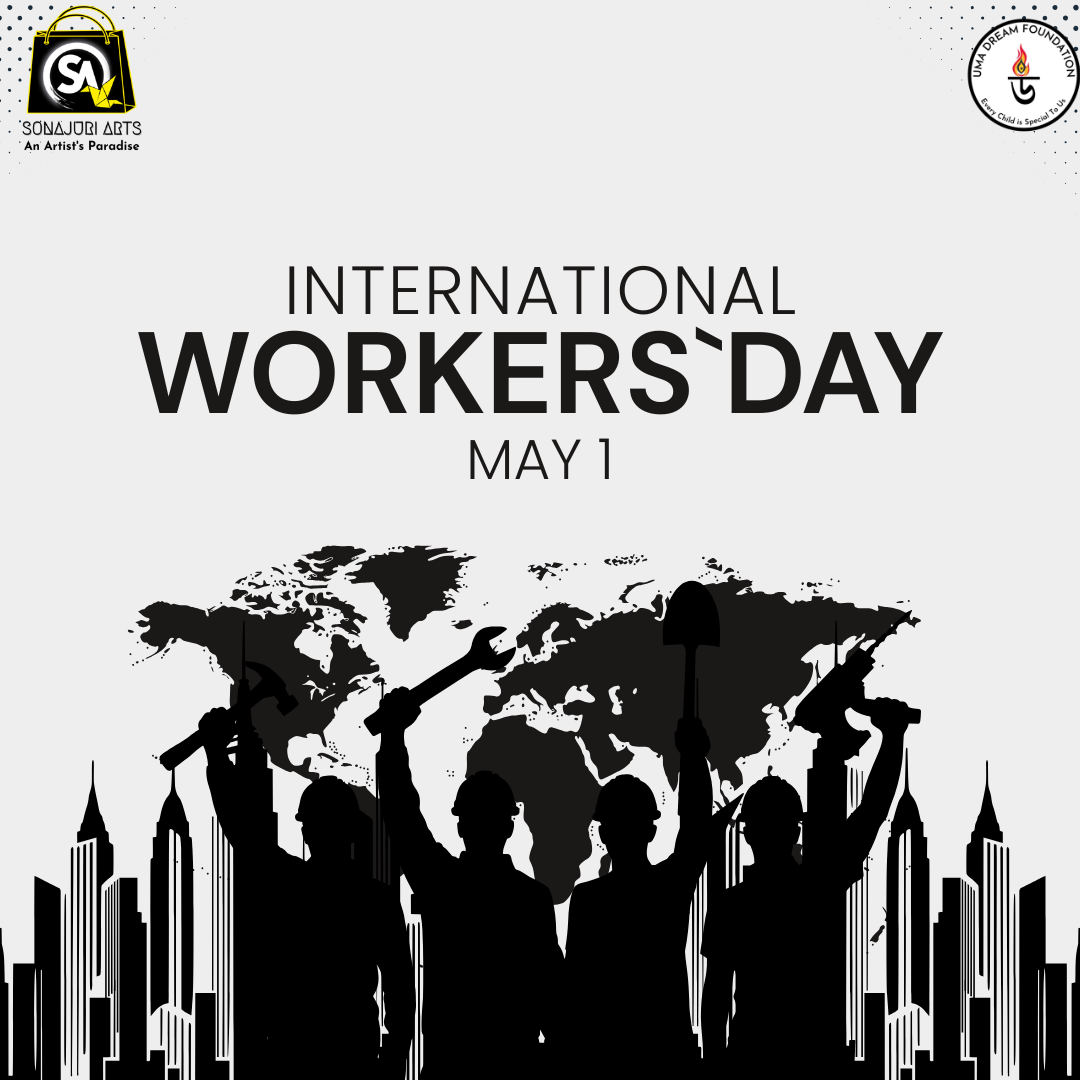
Every year on May 1st, millions of people across the globe come together to observe International Workers’ Day—a day dedicated to honouring the contributions, struggles, and achievements of workers. Known in many countries simply as May Day, this occasion is far more than just a public holiday. It is a powerful reminder of the sacrifices made by generations of labourers and a call to uphold dignity, fairness, and equality in the workplace.
This blog explores the origins, evolution, and modern relevance of International Workers’ Day, tracing its journey from a labour protest movement to a global symbol of workers’ rights.
The Origins: A Struggle for Fairness
The roots of International Workers’ Day can be traced back to the late 19th century, a time marked by rapid industrialization in countries like the United States and across Europe. While industries flourished, workers often faced harsh conditions—long working hours (sometimes up to 16 hours a day), unsafe workplaces, and minimal wages.
Amid these conditions, labour unions began to organize and demand better rights. One of the most significant demands was the establishment of an eight-hour workday—“eight hours for work, eight hours for rest, and eight hours for what we will.”
This demand led to widespread protests, culminating in the historic Haymarket Affair in Chicago. On May 4, 1886, a peaceful rally in support of workers striking for an eight-hour day turned tragic when a bomb exploded, leading to violence and loss of lives. Although the event was marred by controversy and repression, it became a defining moment in labour history.
The Haymarket Affair galvanized workers worldwide and laid the foundation for a unified labour movement.
The Birth of International Workers’ Day
In 1889, the Second International, a global federation of socialist and labour parties, declared May 1st as International Workers’ Day. The date was chosen to commemorate the Haymarket Affair and to continue advocating for workers’ rights.
The first official May Day celebrations took place in 1890, with rallies and demonstrations organized across Europe and the United States. Workers marched in solidarity, demanding fair wages, reasonable hours, and safer working conditions.
Over time, May Day evolved into a symbol of unity and resistance, transcending borders and cultures. It became a day when workers could collectively voice their concerns and celebrate their contributions to society.
Growth of the Labour Movement
The observance of International Workers’ Day played a crucial role in advancing labour rights across the globe. Throughout the 20th century, many countries introduced laws to protect workers, including:
- The establishment of the eight-hour workday
- Minimum wage regulations
- Workplace safety standards
- The right to form unions and strike
These achievements were not easily won—they were the result of persistent struggles, protests, and negotiations by workers and their organizations.
In countries like India, the labour movement gained momentum during the colonial period. The first May Day celebration in India was held in 1923 in Chennai, organized by labour leader Singaravelu Chettiar. This marked the beginning of organized labour activism in the country.
International Workers’ Day in India
In India, International Workers’ Day holds deep significance, especially given the vast and diverse workforce that drives the nation’s economy. From factory workers and farmers to artisans and daily wage earners, millions contribute to the country’s growth.
May Day is celebrated with rallies, speeches, and events organized by trade unions and worker associations. It is also a day to reflect on the challenges faced by workers, such as:
- Informal employment and lack of job security
- Low wages in certain sectors
- Limited access to social security benefits
- Gender inequality in the workforce
Despite these challenges, India has made progress in labour reforms and worker welfare. However, the journey toward complete equity and dignity for all workers continues.
The Modern Workplace: New Challenges, New Realities
While the labour conditions of the 19th century may seem distant, modern workers face a new set of challenges shaped by globalization and technological advancements.
1. The Gig Economy
The rise of freelance and platform-based work has created opportunities for flexibility but also raised concerns about job security, benefits, and fair pay.
2. Automation and Artificial Intelligence
Technological innovations are transforming industries, leading to both job creation and job displacement. Workers must adapt to new skills and roles in an evolving job market.
3. Work-Life Balance
In today’s fast-paced world, maintaining a healthy balance between work and personal life has become increasingly difficult, leading to stress and burnout.
4. Workplace Equality
Issues such as gender pay gaps, discrimination, and lack of inclusivity continue to affect workers worldwide.
International Workers’ Day serves as a reminder that the fight for fair and humane working conditions is ongoing, even in the modern era.
The Role of Workers in Society
Workers are the backbone of any economy. Their efforts drive industries, sustain communities, and fuel innovation. From building infrastructure and producing goods to delivering services and preserving cultural heritage, workers contribute in countless ways.
In particular, artisans and craftsmen play a unique role in maintaining traditional art forms and cultural identity. Their work is not just economic—it is deeply rooted in heritage and storytelling.
Supporting such workers through ethical consumption and fair trade practices is one way individuals can contribute to a more equitable society.
Why International Workers’ Day Still Matters
In an age where convenience and speed often overshadow human effort, International Workers’ Day reminds us to pause and acknowledge the people behind the products and services we rely on.
It matters because:
- It honours the sacrifices made by past generations of workers
- It raises awareness about ongoing labour issues
- It promotes solidarity among workers worldwide
- It encourages governments and organizations to prioritize workers’ welfare
May Day is not just about celebration—it is about reflection, recognition, and responsibility.
A Day of Solidarity and Hope
Across the world, International Workers’ Day is marked by rallies, parades, cultural programs, and public speeches. While the form of celebration may vary, the spirit remains the same: unity and resilience.
In some countries, it is a day of protest, where workers demand justice and reform. In others, it is a festive occasion celebrating achievements and progress.
Regardless of how it is observed, May Day continues to inspire hope for a future where every worker is treated with dignity and respect.
Conclusion: Carrying the Legacy Forward
The story of International Workers’ Day is one of courage, संघर्ष, and collective action. From the streets of Chicago during the Haymarket Affair to global celebrations today, it represents the enduring spirit of workers who refused to accept injustice.
As we commemorate this day, it is important to remember that the rights we enjoy today were hard-earned—and must be protected and expanded for future generations.
Whether you are an entrepreneur, a consumer, or a worker yourself, you have a role to play in shaping a fair and inclusive world of work. Supporting ethical businesses, advocating for fair practices, and respecting every form of labour are small but meaningful steps.
International Workers’ Day is not just a date on the calendar—it is a movement, a message, and a mission that continues to resonate across time.
Let us honour the past, acknowledge the present, and work together toward a better future for all workers.
